
This is today’s edition of The Download, our weekday newsletter that provides a daily dose of what’s going on in the world of technology.
Google DeepMind has launched a watermarking tool for AI-generated images
The news: Google DeepMind has launched a new watermarking tool which labels whether pictures have been generated with AI. The tool, called SynthID, will allow users to generate images using Google’s AI image generator Imagen, then choose whether to add a watermark.
Why watermarking? In the past year, the huge popularity of generative AI models has brought with it the proliferation of AI-generated deepfakes, non-consensual porn, and copyright infringements. Watermarking—a technique where you hide a signal in a piece of text or an image to identify it as AI-generated—has become one of the most popular policy suggestions to curb harms.
Why it matters: The hope is that SynthID could help people identify when AI-generated content is being passed off as real to counter misinformation, or help protect copyright. Read the full story.
—Melissa Heikkilä
Interested in the impact of generative AI? Read more about this topic:
+ These new tools could help protect our pictures from AI. PhotoGuard and Glaze are just two new systems designed to make it harder to tinker with photos using AI tools. Read the full story.
+ AI models spit out photos of real people and copyrighted images. The finding could strengthen artists’ claims that AI companies are infringing their rights. Read the full story.
+ These new tools let you see for yourself how biased AI image models are. DALL-E 2 and two recent versions of Stable Diffusion tend to produce images of people that look white and male, especially if the prompt is a word like ‘CEO’. Read the full story.
The must-reads
I’ve combed the internet to find you today’s most fun/important/scary/fascinating stories about technology.
1 The backlash against Worldcoin is mounting
Regulators aren’t convinced it’s adequately protecting people’s data. (IEEE Spectrum)
+ How Worldcoin recruited its first half a million test users. (MIT Technology Review)
2 New Zealand is introducing a tech giant tax
In a bid to force the massive internet companies to pay more. (Bloomberg $)
3 Google’s stranglehold on search is weakening
Its results are seemingly less accurate, and users are fed up. (The Verge)+ Chatbots could one day replace search engines. Here’s why that’s a terrible idea. (MIT Technology Review)
4 US Congress will host a major AI forum next month
The sector’s biggest names will be lining up to have their say in shaping critical legislation. (WP $)
+ AI jargon is impossible to escape. (The Atlantic $)
+ ChatGPT is about to revolutionize the economy. We need to decide what that looks like. (MIT Technology Review)
5 Climate change is altering Japan’s culture
Tokyo’s summers are becoming longer, but the country’s leaders are reluctant to cut ties with fossil fuels. (New Yorker $)
6 Chinese sextortion scammers are all over Twitter
The platform has become much more hospitable to such bad actors since Elon Musk took over. (Rest of World)
+ It’s still a challenge to spot Chinese state media social accounts. (MIT Technology Review)
7 These days, noise canceling is big business
But over-relying on fancy headphones won’t necessarily make you more productive. (The Guardian)
+ Is it healthy to constantly listen to podcasts? These people do. (WP $)
8 Chinese robot waiters are charming Korean diners
But human servers aren’t so thrilled. (FT $)
+ AI is creeping into your takeout apps. (Motherboard)
9 Internet fandom is about to become a whole lot less creative
Outsourcing your imagination to AI chatbots just isn’t as fun. (Wired $)
10 MySpace was an overwhelming mess
But we loved it anyway. (The Atlantic $)
Quote of the day
“The politician in me thinks you’re going to literally lose every voter under 35, forever.”
—Commerce Secretary Gina Raimondo considers the implications of banning TikTok in the US ahead of her visit to China, the New York Times reports.
The big story
Money is about to enter a new era of competition
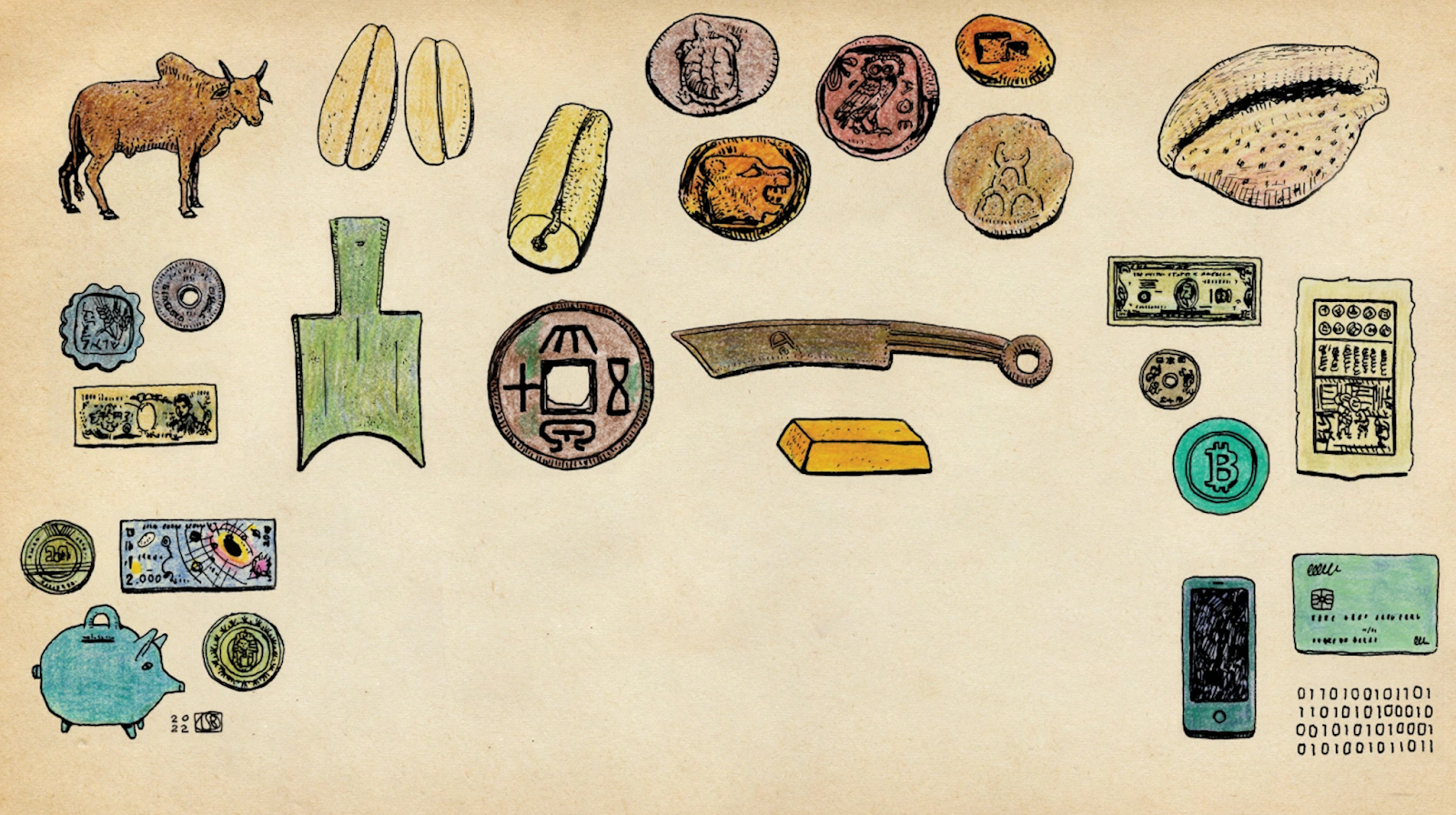
To many, cash now seems anachronistic. People across the world commonly use their smartphones to pay for things. This shift may look like a potential driver of inequality: if cash disappears, one imagines, that could disenfranchise the elderly, the poor, and others.
In practice, though, cell phones are nearly at saturation in many countries. And digital money, if implemented correctly, could be a force for financial inclusion. The big questions now are around how we proceed. Read the full story.
—Eswar Prasad
We can still have nice things
A place for comfort, fun and distraction in these weird times. (Got any ideas? Drop me a line or tweet ’em at me.)
+ Bruce Lee is still shaping beat-’em-up video games, 50 years after his death.
+ The drawn-out legal drama that gripped the chess world has finally been resolved
+ Here’s how to make your favorite memes accessible to everyone.
+ Thinking of going maximalist with your interiors? You’re not alone.
+ Oakley is cool again, apparently?


